


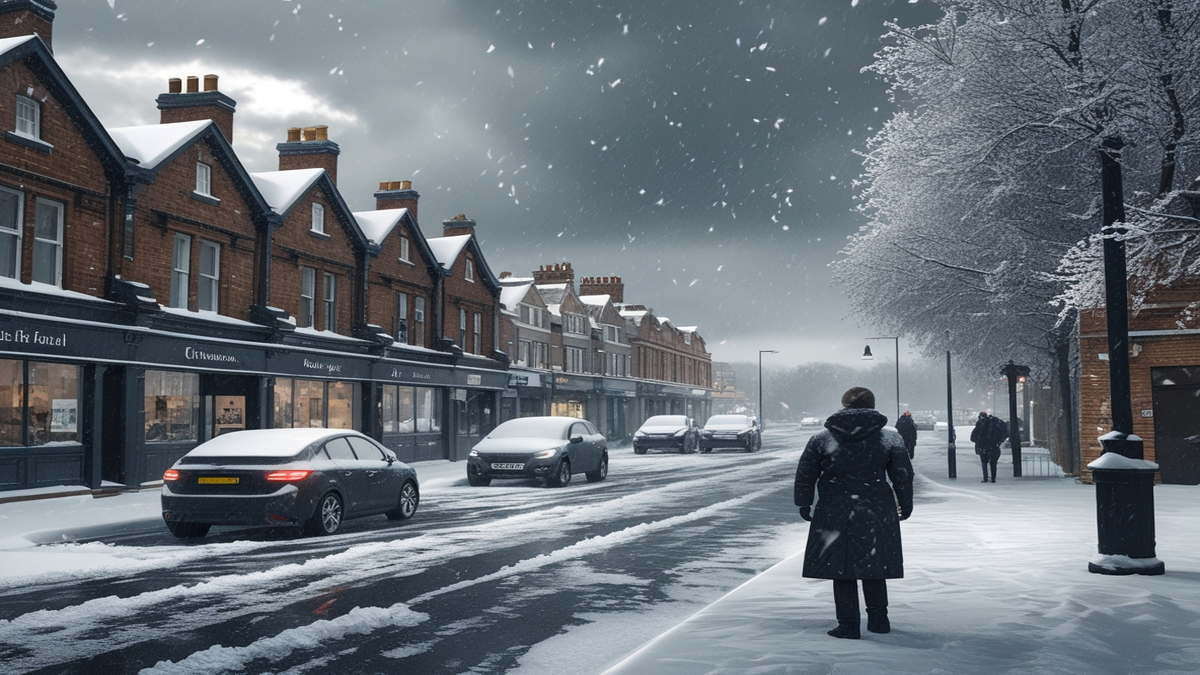
UK Braces for Major Snowfall as Temperatures Plunge to Winter Lows
The United Kingdom is preparing for a significant burst of winter weather, as meteorologists warn of major snowfall, hazardous icy conditions, severe temperature drops, and travel disruption across large parts of the country. Following what has already been the coldest night of the autumn season, and Scotland recording the UK’s lowest November temperature in 15 years, weather models now suggest an extended period of snow and freezing conditions is about to grip the nation.
Cold air sweeping in from the Arctic, combined with moisture-rich frontal systems, is creating the perfect recipe for widespread snowfall. With the Met Office issuing successive cold weather alerts and yellow warnings, millions across the UK are asking the same question: how severe will this snowfall be, and who will be most affected?
Record-Breaking Cold Signals What’s Coming
In the past week, the UK has already experienced weather conditions more reminiscent of mid-winter than late autumn. Scotland recorded temperatures dropping below –10°C, marking the lowest November temperature seen in over a decade. Meanwhile, England and Wales confronted freezing nights, icy pavements, and localized snow showers in higher regions.
Meteorologists warn that these early cold snaps are not isolated incidents but part of a larger trend. A combination of polar air masses, northwesterly Arctic winds, and strengthened high-pressure systems over Greenland is setting the stage for a prolonged cold spell in the UK.
This new weather setup aligns closely with historical patterns that have produced major early-winter snow events across the country.
Met Office Issues Snow and Ice Warnings
The Met Office has updated its warnings, indicating that multiple regions may face heavy snowfall, settling snow levels, and significant ice formation over the coming days. Among the key alerts:
Yellow Warning for Snow & Ice
This warning covers:
- Scotland (particularly Highlands & Aberdeenshire)
- Northern Ireland
- Northern England
- Parts of the Midlands
- Some areas of Wales
These regions are expected to face:
- 3–10 cm of snow, especially on higher ground
- Travel delays, particularly on untreated roads
- Power interruptions in rural areas
- Dangerous icy surfaces for pedestrians and drivers
Snow Risk Expands Toward Southern England
While southern England rarely sees early-season snow, models now suggest:
- Possible wintry showers in the Home Counties
- Risk of overnight sleet turning to snow
- Icy conditions during morning commute hours
Experts emphasize that snow accumulation may vary greatly between regions, but the cold temperatures will be universal.
Why Is the UK Getting Hit With Major Snowfall Now?
To understand the severity of this forecast, it’s crucial to examine the atmospheric setup driving this winter blast.
1. Arctic Air Mass Drop
A surge of Arctic-origin cold air has moved southward, sending temperatures plummeting well below seasonal norms. This air mass is dry but becomes snow-bearing when it collides with Atlantic moisture.
2. North Atlantic Oscillation (NAO) Shift
The NAO has been trending negative—a pattern historically linked to:
- Colder UK temperatures
- Higher chances of winter storms
- Greater snowfall risk
3. Jet Stream Dip
A weakened and sharply dipping jet stream is dragging storms across the UK at an angle that favors:
- Snowfall over rain
- Persistent cold weather systems
- Longer-lasting ground frost
4. Atlantic Moisture Interception
As cold polar air meets moist low-pressure systems from the Atlantic, snow generation becomes highly likely—especially across northern and central Britain.
Which Areas Will See the Heaviest Snow?
While snow is possible across much of the country, some areas are significantly more likely to experience high accumulation.
Scotland
Expected to be the hardest-hit region:
- 10–20 cm possible in Highlands
- Strong winds creating snow drifts
- Blizzards on higher terrain
Northern England
Particularly:
- Pennines
- Yorkshire Dales
- Northumberland
Expect road closures, dangerous ice, and potential rail delays.
Midlands & Wales
Likely to see:
- 2–7 cm in elevated regions
- Quick bursts of snow overnight
Southern England
Less accumulation but:
- Widespread frost
- Sporadic light snowfall
- Treacherous early-morning ice
Travel Disruptions Expected Nationwide
With snow and ice forming rapidly, major travel organizations are warning of delays and cancellations.
Rail
- Reduced speeds on icy tracks
- Potential freezing of overhead lines
- Delays expected on northern and Scottish routes
Roads
Drivers should expect:
- Dangerous black ice
- Longer travel times
- Road closures on rural routes
- Gritting trucks operating overnight
Airports
Air travel may see:
- De-icing delays
- Canceled early-morning flights
- Longer check-in wait times
Major airports like Edinburgh, Manchester, Birmingham, and Newcastle could face operational congestion during peak snowfall hours.
NHS Issues Cold Health Alerts
Alongside weather warnings, the UK Health Security Agency has issued cold weather health alerts for vulnerable populations. Risks increase notably for:
- Elderly individuals
- Those with respiratory or heart conditions
- Infants and small children
- Homeless populations
The public is encouraged to:
- Heat homes to at least 18°C
- Wear layered clothing outdoors
- Check on elderly neighbors
- Limit time on icy surfaces
Energy Demand Expected to Surge
With widespread freezing temperatures, national energy consumption is projected to rise sharply. Analysts predict:
- Higher home heating usage
- Strain on local grids during peak hours
- Increased costs for households on prepay meters
Energy providers are preparing for customer spikes as the cold snap deepens.
How Long Will the Snowfall & Cold Spell Last?
Current forecasts indicate:
- Snowfall will intensify over the next 72 hours
- Temperatures will remain below freezing across many regions
- A reinforcing wave of Arctic air could arrive next week
If these models hold, the UK may be entering an extended cold phase lasting:
7–12 days, with periodic snow events—especially in northern and central regions.
Long-range models suggest this could be one of the coldest early-December periods in recent years.
Could This Become a December Winter Storm?
Some meteorological models indicate the possibility of a more organized winter storm forming next week, depending on:
- The movement of Atlantic low-pressure systems
- The persistence of Arctic air over Britain
- Jet stream stability
If the cold air remains entrenched, the UK could face:
- More widespread snow
- Strong winds
- Large-scale transportation disruption
Meteorologists continue to monitor the evolving pattern closely.
What Residents Should Do Now
1. Prepare for Road Conditions
- Carry de-icer and scrapers
- Keep emergency kits in cars
- Avoid unnecessary travel during heavier snowfall
2. Winter-Proof Homes
- Check boilers and pipes
- Ensure heating systems are functioning
- Use draft excluders
3. Stay Updated
Follow:
- Met Office weather warnings
- Local council gritting schedules
- NHS cold weather alerts
4. Protect Vulnerable Individuals
- Check in with elderly neighbors
- Assist with groceries or medicine pickups
- Ensure they have warm clothing and functional heating
Conclusion
As the UK braces for major snowfall, the combination of Arctic air, freezing temperatures, and metrological instability is creating potentially disruptive conditions. With the Met Office issuing multiple snow and ice warnings and health officials raising alerts, the public should prepare for a significant early-winter event.
Travel delays, energy demand spikes, icy roads, and widespread frost are expected, with certain regions facing heavy snow accumulation. As new weather data emerges, updates will continue to refine expected snowfall totals and regional impacts.
For now, one thing is clear: winter has arrived early—and with force.
Read More Here: Chip Kelly Fired: Raiders Part Ways With Offensive Coordinator After Struggling Season
[…] Read More Here: UK Major Snowfall Forecast: Met Office Warnings, Temperature Drops, and What to Expect Next […]